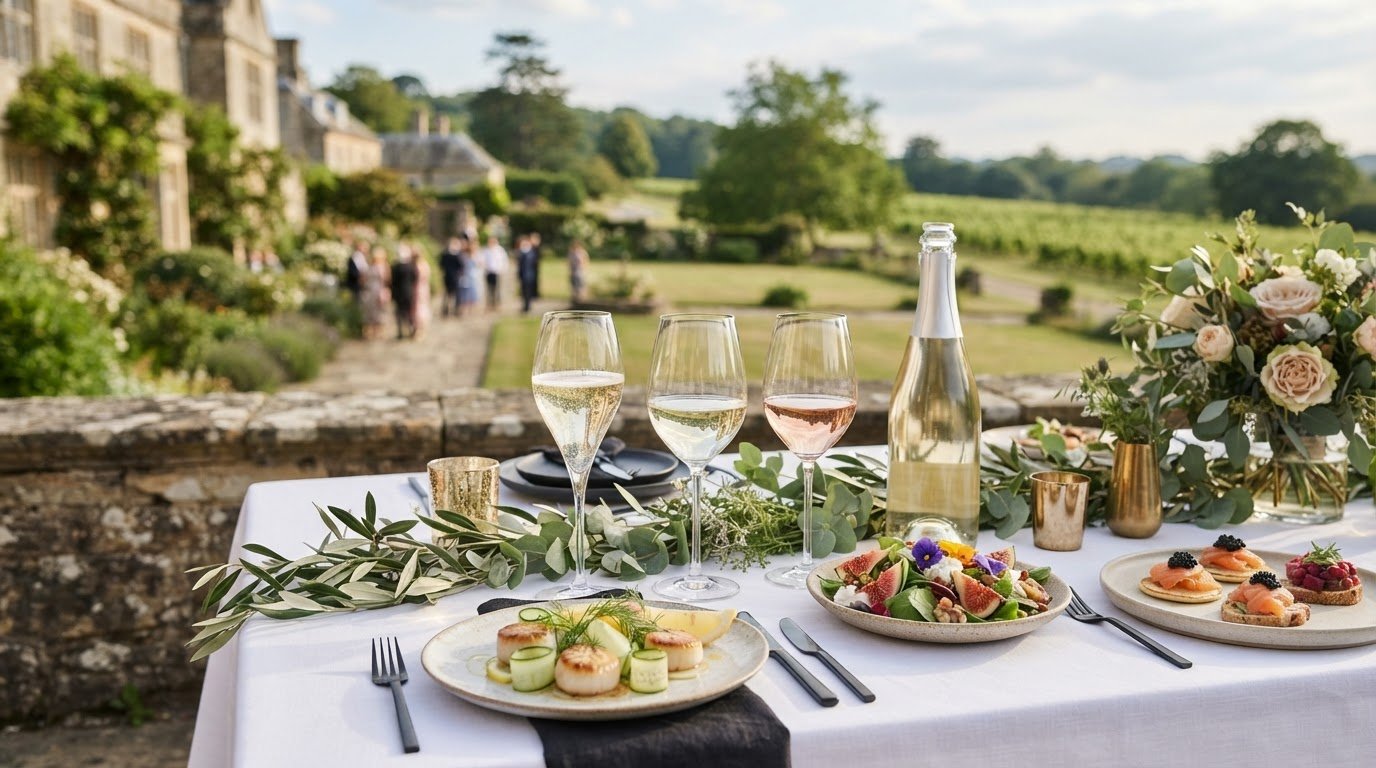
To Impress Your Wedding Guests With Food And Wine, choose drinks that complement or contrast with the flavours and textures of each dish. For...
To Impress Your Wedding Guests With Food And Wine, choose drinks that complement or contrast with the flavours and textures of each dish. For starters, sparkling wine, Sauvignon Blanc and dry rosé are all thoughtful options, with the best match depending on what’s on the plate. A crisp, lively pour can refresh seafood or salads, while dry rosé is a versatile partner for a varied canapé selection.
The details make the experience feel considered, from the glassware and celebratory toast to the order in which wines are served. This guide explores how to present a pairing menu, choose food-friendly wines and match sparkling wine, Sauvignon Blanc and rosé with wedding starters. You’ll also find ideas for making the drinks reception welcoming to guests with different tastes and dietary needs, so each pairing contributes to a generous, polished celebration that feels distinctly yours.
Key Takeaways
- Choose glassware and present a pairing menu to make each pour feel considered and easy for guests to follow.
- Plan the champagne toast around the moment it will take place and the atmosphere you want to create.
- Select wines with the menu in mind, and serve lighter styles before heavier ones.
- Pair sparkling wine, Sauvignon Blanc or dry rosé with starters according to the dish’s flavours and textures.
- Make the celebration welcoming by gathering dietary needs in advance and considering local, authentic food experiences.
1. Choosing glassware and presenting a pairing menu
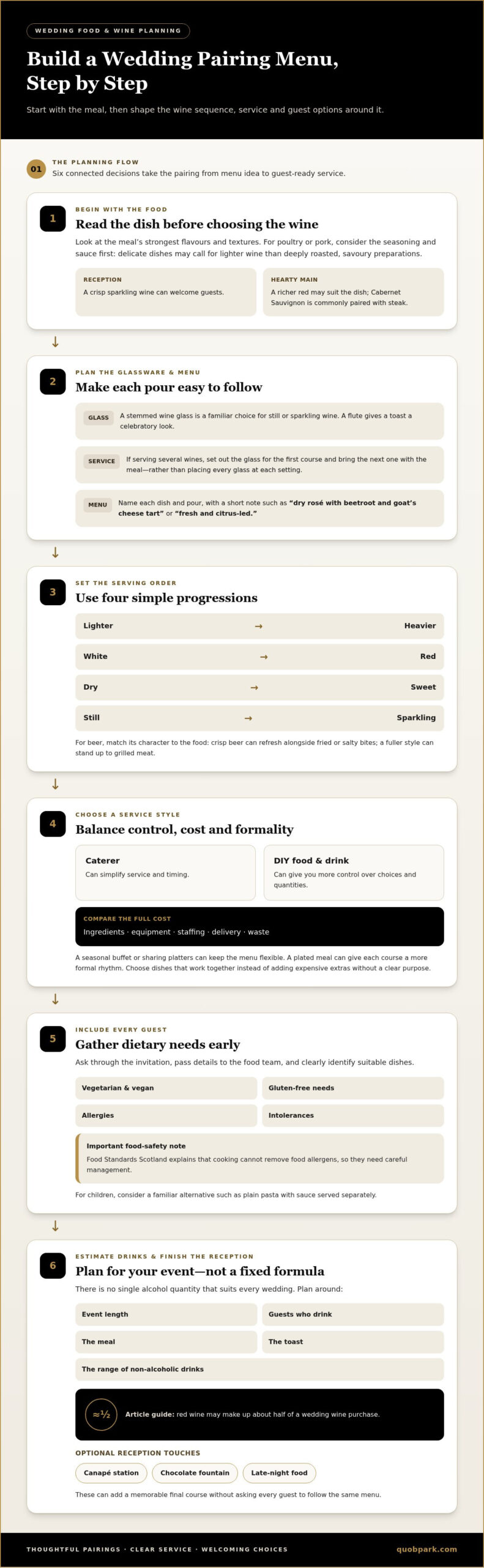
Start with the wedding meal, then choose wines to complement its strongest flavours and textures. A crisp sparkling wine can welcome guests at the reception, while a richer red may suit a hearty main course. Cabernet Sauvignon is commonly paired with steak because its bold flavours complement the dish’s richness. For poultry or pork, consider the seasoning and sauce first: a delicately flavoured dish may call for a lighter wine than a deeply roasted, savoury preparation.
Choose glassware for the drinks you’ll serve, while keeping service practical. A stemmed wine glass is a familiar choice for still or sparkling wine; a flute creates a celebratory look for a toast. If you’re serving several wines, avoid placing every glass at each setting. Set out the glass needed for the first course, then bring the next one with the meal. A printed pairing menu can name each dish and pour, with a short note such as “dry rosé with beetroot and goat’s cheese tart”.
For a clear sequence, serve lighter wines before heavier wines, white before red, dry before sweet, and still before sparkling. A menu can show guests what to expect without turning dinner into a lecture. Include the wine name beside each course, with a concise flavour cue such as “fresh and citrus-led”. For beer, match its character to the food: a crisp beer can refresh alongside fried or salty bites, while a fuller style can stand up to grilled meat.
A caterer can simplify service and timing, while DIY food and drink can give you more control over choices and quantities. Compare the full cost of ingredients, equipment, staffing, delivery and waste before deciding. A seasonal buffet or sharing platters can keep the menu flexible; a plated meal can give each course a more formal rhythm. Choose dishes that work together rather than adding expensive extras without a clear purpose.
Ask guests about vegetarian and vegan diets, gluten-free needs, allergies and intolerances through the invitation. Pass those details to the food team and clearly identify each suitable dish. Food Standards Scotland explains that cooking cannot remove food allergens, so they need careful management. Offer children a familiar alternative, such as plain pasta with sauce served separately, and make sure guests with dietary requirements can identify suitable options.
There’s no single alcohol quantity that suits every wedding. Plan around the event’s length, the number of guests who drink, the meal, the toast and the range of non-alcoholic drinks; red wine may make up about half of a wedding wine purchase. For an interactive reception, consider a canapé station, chocolate fountain or late-night food. These choices can add a memorable final course without asking every guest to follow the same menu.
2. A champagne toast after the ceremony
A thoughtful toast starts with choosing a sparkling wine that suits the moment and the food served alongside it. Champagne brings familiar celebratory character, while other sparkling wines can also make an elegant choice. Consider the reception’s style, the menu and the flavours you want guests to notice. A bright, dry pour can refresh the palate before canapés; a fruitier style may better suit sweeter bites.
When selecting Champagne, start with the balance of the menu rather than the label alone. A dry style can work with savoury canapés, including smoked salmon blinis or crisp cheese pastries. Rosé Champagne offers a different appearance and berry-led character, which can complement delicate charcuterie or fruit-accented bites. For a more restrained profile, look for a Blanc de Blancs style. Its Chardonnay-led character can sit beautifully beside seafood and citrus.
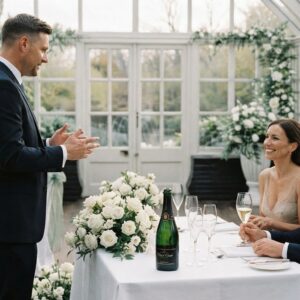
Give the toast a clear place in the reception schedule. Agree on a cue with the celebrant or host, then have glasses ready where guests will gather. A short welcome before the first pour helps everyone understand why they’re raising a glass. Keep the toast concise and personal: mention the couple, thank the guests, and leave room for the clink of glasses and a moment of celebration. For a relaxed gathering, invite guests to raise sparkling wine or an alcohol-free alternative.
Pairings work best when the drink complements one element of a bite rather than competing with every flavour. Sparkling wine’s freshness can balance salty or creamy canapés, while seafood with herbs or lemon can echo its lively character. Pinot Noir-based sparkling wines can bring a fuller impression to richer savoury bites. For a cheese board, match the wine to the cheese’s intensity: a delicate cheese may disappear beside a powerful pour, while a more savoury selection can meet it on equal terms.
Serve the toast in clean, clear glassware that feels comfortable to hold. A flute gives bubbles a graceful presentation; a tulip-shaped glass allows more room for aromas. Choose one style for the toast, and keep the table free of unused glasses. If the reception includes several drinks, label the bar menu with simple tasting cues such as “dry and crisp” or “soft berry notes”. These descriptions help guests choose confidently without specialist wine knowledge. For a polished moment, ask servers to pour just before the toast, so each glass arrives fresh and ready to raise.
3. Selecting food-friendly white, rosé and red wines
Choose wines around the meal’s dominant flavours, sauce and seasoning, rather than selecting by grape name alone. Sauvignon Blanc can bring a crisp, herbal character to goat’s cheese, asparagus or dishes with fresh herbs. Chardonnay suits richer plates, such as roast chicken with a creamy sauce, while a lighter Pinot Grigio can accompany delicate fish or vegetable starters. For a wedding celebration, offer contrasting styles so guests can find a pour they enjoy.
For reds, consider body and intensity alongside the main ingredient. Pinot Noir is a lighter, supple option for roast poultry, mushroom dishes or salmon, while Merlot can sit comfortably beside lamb or a gently spiced tomato-based dish. Cabernet Sauvignon has a more structured profile that can complement steak. For pork, match the wine to its preparation: roast pork with apple may suit a fruit-forward red, while grilled pork with herbs can work with a lighter style.
Rosé offers a useful middle ground when the menu moves between savoury canapés and lighter mains. Dry rosé can accompany charcuterie, tomato tarts or grilled vegetables without overwhelming them. For a couple serving several small plates, its versatility can simplify the drinks selection. Choose a rosé with enough freshness for salads, but enough flavour to stand up to seasoned dishes. Place its name beside suggested courses on the menu.
Build a compact selection with distinct roles. One crisp white, one fuller white, one lighter red, one more robust red and a dry rosé can cover varied dishes without making the list difficult to navigate. For example, pair Sauvignon Blanc with a lemon-dressed fish starter, Chardonnay with roast chicken, Pinot Noir with mushroom risotto, and Merlot with lamb. Taste each wine alongside the actual sauce or garnish, since these details can change how the flavours meet.
Give dessert its own consideration. Chocolate can be challenging beside dry wines, so serve it with coffee, tea or a dessert wine chosen to match the chocolate’s intensity. A berry dessert may suit a fruit-led rosé, while a delicate lemon tart can pair more easily with a fresh white. Keep the printed menu descriptive, not technical: “bright citrus white with lemon tart” gives guests a useful cue. Label vegetarian dishes and note a suggested wine beside each, so guests can choose without needing a full explanation.
To create a joined-up experience from arrival through the meal, serve sparkling Blanc de Blancs as a welcome drink at the wedding reception. Pair wines with each course, drawing on advice from a private chef or sommelier. Their input can connect the choices to the menu’s ingredients and preparation while leaving room for contrasting styles. Keep the pairings easy to follow by identifying the suggested pour beside each course.
Include 0% beers and spirits as non-alcoholic options for wedding guests. Make these visible alongside the wine choices, so guests who do not want alcohol can select a drink at the same stage of the meal. A concise drinks list can present the welcome pour, course pairings and non-alcoholic alternatives together, helping the selection suit different preferences without requiring a separate explanation.
4. Pairing sparkling wine, Sauvignon Blanc and rosé with starters
Begin with each starter’s main flavour, then choose a wine to complement or contrast it. Sparkling wine can bring freshness to rich, salty or creamy bites, such as smoked fish blinis or crisp cheese pastries. Sauvignon Blanc suits salads with herbs or citrus, while dry rosé can accompany a varied canapé selection. Couples can Impress Your Wedding Guests With Food And Wine by matching each pour to a clear feature of the dish, rather than chasing identical flavours.
For seafood, consider how it’s prepared. A delicate prawn with lemon can work with Sauvignon Blanc, echoing the citrus notes. A seared scallop with yuzu glaze has a more pronounced tang, making sparkling wine a lively counterpoint. Mini crab cakes with citrus aioli can pair with dry rosé or sparkling wine. The crab remains the focus, while the wine’s freshness balances the creamy sauce and crisp coating.
Salads call for a pairing that respects the dressing. A leafy salad with herbs and light vinaigrette can work well with Sauvignon Blanc, especially alongside cucumber or citrus. With ripe tomatoes, grilled peppers or fruit, dry rosé offers a softer, fruit-led contrast. A strongly flavoured dressing can dominate a delicate wine, so taste the finished dish with your chosen pour before settling the menu.
For cheese boards, consider the cheese and its accompaniments together. A fresh cheese with herbs can suit Sauvignon Blanc; a richer, saltier selection may pair more naturally with sparkling wine. Dry rosé can bridge a board mixing mild cheeses, berries and savoury crackers. Chutney or fruit can shift the balance, so include those on the tasting plate too. A note such as “dry rosé with goat’s cheese and beetroot” helps guests choose.
Make the reception menu easy to read. Offer sparkling wine as a flexible welcome pour, then describe Sauvignon Blanc and dry rosé beside the starters they complement. Name each canapé’s key ingredient, such as scallop, goat’s cheese or tomato, so guests can spot suitable choices. For a seated meal, print the suggested wine alongside the dish. Simple cues such as “fresh citrus” or “dry and berry-led” make pairings approachable. This thoughtful detail can help you Impress Your Wedding Guests With Food And Wine without distracting from conversation or the dishes themselves.
For a private dining event, keep the three suggested styles in view across canapés, salads, seafood and cheese boards: sparkling wine, Sauvignon Blanc and dry rosé. Treat them as pairing choices rather than a fixed sequence, and let the starter’s main flavour guide what you offer. This gives the menu a consistent framework while leaving room for different kinds of starters.
Concise dish descriptions help guests connect a wine with the food, and the same selection can work across the reception menu. When planning the final combinations, review the canapés, salads, seafood and cheese boards together, then check that each has a clear suggested match among sparkling wine, Sauvignon Blanc and dry rosé. This keeps the choices easy to follow and strengthens the connection between each starter and its pour.
5. What wedding food trends impress guests in the UK?
Local ingredients and authentic food-and-drink experiences can give a wedding menu a stronger sense of place. The Scottish Government reports growing interest in these experiences. Put the idea into practice with a regional cheese board, locally sourced seasonal vegetables or a drink made with ingredients from the surrounding area. A short menu note naming an ingredient’s origin can make the choice feel personal rather than simply fashionable.
Interactive food stations create a relaxed point of interest during the reception. A chocolate fountain lets guests choose their own fruit or other accompaniments, while a candy buffet can bring colour to a dessert table. Keep the presentation considered: use labelled bowls, arrange toppings by flavour, and make serving utensils easy to find. A station works best when guests can approach it without interrupting speeches or blocking the main route through the room.
Canapés can feel distinctive through thoughtful combinations, not elaborate presentation alone. Mini crab cakes with citrus aioli bring savoury richness and brightness; goat’s cheese tarts with beetroot relish balance creamy and earthy notes. Seared scallops with yuzu glaze make a more refined bite, especially for a reception menu built around seafood. Present each canapé with its name and key ingredients to help guests choose and keep service smooth.
Late-night food gives the celebration a final, informal course after dancing begins. Choose something guests can eat comfortably while standing, such as small savoury pastries, miniature sandwiches or warm chips in individual portions. A late-night menu doesn’t need to repeat the wedding breakfast. A different texture or flavour, such as a crisp bite after a plated meal, makes the change feel deliberate. Set the serving point away from the dance floor to keep movement easy.
Build these ideas around the couple’s preferences and the shape of the day. If a formal meal is the centrepiece, a compact canapé selection and one late-night option may be enough. For a relaxed reception, a seasonal buffet or interactive station can encourage guests to mingle. Combine one memorable feature, such as a chocolate fountain, with familiar choices rather than filling every space with competing displays. Clear signs, tidy serving areas and accessible alternatives help make the food welcoming to guests with different tastes.
For a celebration grounded in place, explore WEDDING VENUE OPTIONS as you plan how food, drinks and guest spaces will come together.
Quob Park Estate, Hotel & Spa: Quob Park Classic Cuvée
Quob Park Estate, Hotel & Spa offers Quob Park Classic Cuvée, an English sparkling wine for a wedding toast or reception pour. For starter pairings, Quob Park Blanc de Blancs and Quob Park Heritage Rosé Cuvée offer further options to consider alongside your menu. Choose a bottle that suits the moment, whether you’re welcoming guests, raising a glass after the ceremony or serving canapés.
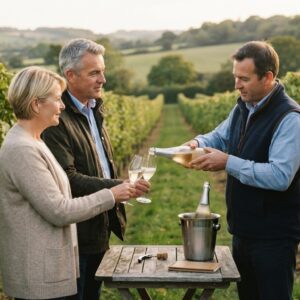
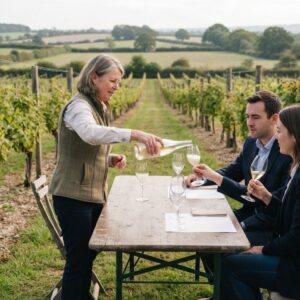
If you’d like to explore these wines as part of your celebration, a Vineyard Tour & Tasting offers a chance to discover them in their vineyard setting. It can also help you experience the wines before choosing a favourite for your wedding table.
Explore the ESTATE WINE SELECTION at Quob Park Estate, Hotel & Spa.
Shape a celebration that feels unmistakably yours
Your wedding menu can do more than feed your guests. It can express the atmosphere you want to create, from a graceful first pour to a relaxed late-night gathering. Choose the moments that matter most to you, then let the food and drinks reinforce that feeling. Thoughtful choices can help you impress your wedding guests with food and wine while keeping the celebration personal rather than overly formal.
Quob Park Estate, Hotel & Spa offers Quob Park Classic Cuvée, Quob Park Heritage Rosé Cuvée and Quob Park Blanc de Blancs. Consider which wine best suits your reception, menu and preferred style of hospitality, then build the occasion around that choice.
CONTACT QUOB PARK ESTATE, HOTEL & SPA to explore the wines and find inspiration for your celebration. Let your choices reflect the day you want to share, and enjoy bringing that vision to life.
Frequently Asked Questions
What drinks and wine pairings work best with popular wedding meals?
Match the drink to the main ingredient, seasoning and sauce. A medium-bodied red can suit roast beef with herbs, while an aromatic white works with gently spiced dishes, such as coconut curry. For barbecue menus, offer a refreshing beer alongside the richer flavours, with dry sparkling wine as an alternative. For guests avoiding alcohol, sparkling water with citrus or a non-alcoholic botanical drink offers a considered pairing too.
Is a wedding caterer or DIY food and drink more cost-effective?
Neither option is automatically more cost-effective. Compare the full cost of ingredients, equipment, staffing, delivery and waste before deciding. DIY offers more control over choices and quantities, while a caterer can simplify service and timing.
How much wine and other alcohol should you buy per wedding guest?
There is no single alcohol quantity that suits every wedding. Plan around the event’s length, the number of guests who drink, the meal, the toast and non-alcoholic options; red wine may make up about half of the wine purchase.