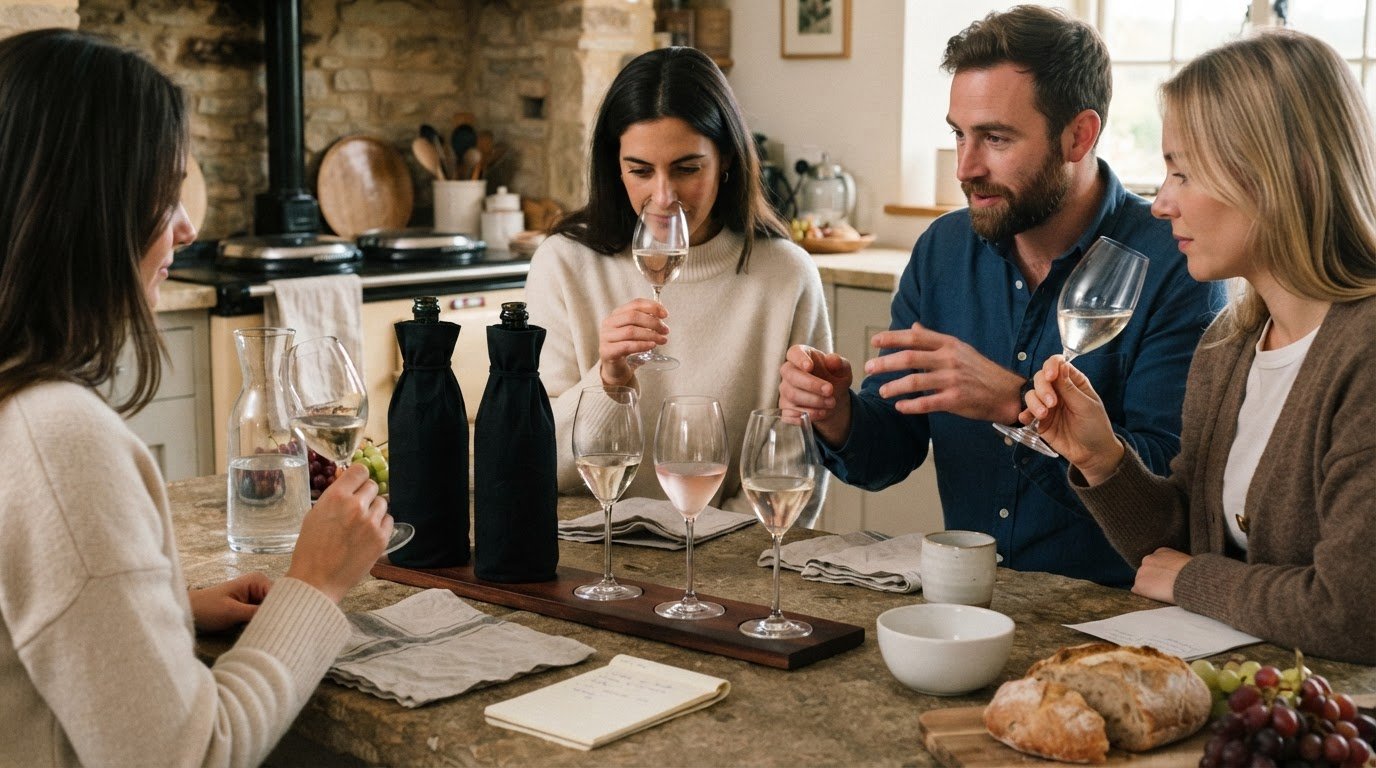
A memorable tasting depends less on generous pours than on a well-chosen line-up. For a small gathering, feature five to seven wines; a 75cl bottle...
A memorable tasting depends less on generous pours than on a well-chosen line-up. For a small gathering, feature five to seven wines; a 75cl bottle gives roughly eight to ten tasting pours of 75ml. To understand HOW TO HOST A WINE TASTING PARTY AT HOME, build the evening around measured samples, a thoughtful order and time to compare impressions.
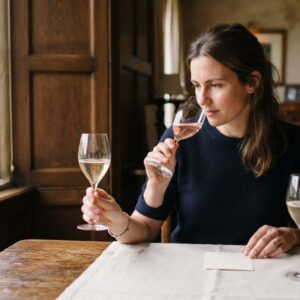
Wine tasting can be as sociable or educational as you like, and a relaxed format leaves room for both. A blind tasting adds a playful note: cover the labels and invite guests to notice each wine’s appearance, aromas and flavours before guessing what’s in their glass.
This guide covers practical ways to estimate bottles, arrange the room, and choose glassware, food and serving temperatures. Follow a simple tasting sequence, from preparing the wines to keeping conversation flowing, so the evening feels considered without becoming a lecture.
KEY TAKEAWAYS
- Choose a theme that suits the gathering, from comparing regions or vintages to keeping the focus on relaxed conversation.
- Arrange the flight from lighter whites to fuller reds, then sweeter wines, and pair the food with your selection.
- Create a calm tasting space with comfortable lighting, suitable glassware and neutral palate cleansers between wines.
- For a blind tasting, conceal the labels and invite guests to note what they see, smell and taste before revealing each bottle.
Why Host a Wine Tasting Party?
A tasting party can turn an evening into a chance to explore English wines, compare a grape variety or share a favourite. A clear theme gives guests a reason to notice differences, while conversation keeps the gathering relaxed rather than formal.
For a private gathering at home, whether alcohol is sold and whether the event remains private can affect which UK licensing rules apply. Keep the gathering genuinely private and don’t sell drinks. If it becomes public or commercial, seek licensing guidance before planning.
- Choose a theme that suits your invitation. For an English-wine evening, select bottles from English vineyards and invite guests to notice the character of each wine. For a grape-focused tasting, choose Pinot Noir and compare how different examples express their origins.
- Make the comparison clear. A vertical tasting explores one wine across vintages, such as Pinot Noir from the same vineyard in 2017, 2018 and 2019. A horizontal tasting takes one vintage and compares regions, such as 2020 Chardonnay from France, California and Australia.
- Give guests a way to choose a favourite. Ask everyone to consider appearance, aroma and taste before sharing their impressions. A simple note beside each wine glass can capture a favourite and one reason for choosing it, giving the conversation a natural starting point.
- Match food to the theme. Set out crackers as a neutral bite between wines, then choose other food to complement the bottles you’ve selected. For a regional theme, let the wines lead the menu; for a relaxed gathering, keep the food simple so tasting remains central.
- Plan a responsible finish. Arrange a designated driver, taxi or public transport before the invitation goes out, and offer water and non-alcoholic drinks alongside the wine. Guests shouldn’t feel pressured to drink, making the evening more comfortable and memorable for everyone.
HOW MANY WINES SHOULD I SERVE AT A WINE TASTING AT HOME?
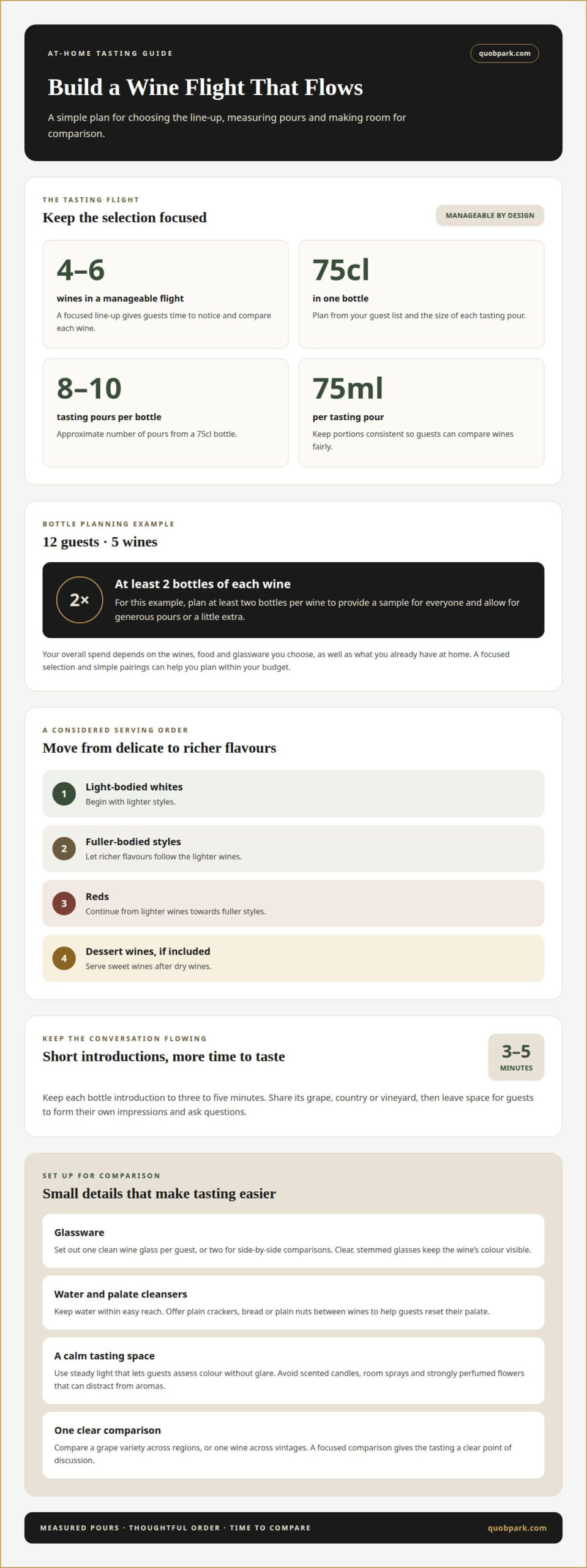
For a manageable flight, plan four to six wines. A 75cl bottle provides roughly eight to ten tasting pours of 75ml, so calculate bottles from your guest list and serving size.
Your overall spend depends on the wines, food and glassware you choose, as well as what you already have at home. A focused selection and simple pairings can help you plan within your budget without sacrificing the tasting experience.
- Set the flight size and pour plan. For 12 guests tasting five wines, plan at least two bottles of each wine. This gives everyone a sample while allowing for generous pours or a little extra. Keep the tasting portions consistent so guests can compare each bottle fairly.
- Arrange wines in a considered order. Start with light-bodied whites, then move towards fuller-bodied styles, reds and, if included, dessert wines. Within the flight, serve dry before sweet. This sequence lets delicate aromas come through before richer flavours take centre stage.
- Choose one comparison that gives the tasting focus. Compare Sauvignon Blanc from France with New Zealand to explore Old World and New World styles. Or select wines from different countries, regions or grape varieties. If comparing price, choose bottles in a similar spending range to keep style, rather than cost, at the heart of discussion.
- Pair English wines with thoughtful food. Match each selection with a suitable bite, such as cheese with a complementary texture or flavour. Keep pairings modest, so food supports rather than overwhelms the wine. Offer crackers between samples to refresh the palate and make transitions clearer.
- Introduce each bottle with a short story. Share its grape, country or vineyard, then invite questions about aroma and taste. Keep each introduction to three to five minutes, leaving room for guests to form their own impressions. Ask where everyone’s preferences differ, and remember a favourite for future drinking.
Lighting, glassware and avoiding scented candles
Arrange the table so guests can see each wine clearly and focus on its aromas. A calm, uncluttered setting helps everyone feel comfortable and attentive.
-
Organise and Identify Glassware
Set out one clean wine glass per guest, or two for side-by-side comparisons. Choose clear, stemmed glasses so the wine’s colour remains visible; ISO wine glasses provide a recognised standard for tasting. Mark each glass with a wine charm or marker, especially if guests will move around. Arrange glasses in tasting order, with room for water and notes.
- Adjust the lighting and remove competing scents. Use steady light that lets guests assess colour without glare. Avoid scented candles, room sprays and strongly perfumed flowers, which can distract from delicate aromas. Keep the table uncluttered, and place bottles where labels or coverings won’t obstruct the tasting. A clean-smelling room helps guests focus, especially during an evening flight of Chardonnays or Champagne.
-
Provide Water and Rinse Glasses
Place water within easy reach of every guest. It supports hydration and lets guests rinse glasses between wines, reducing flavours left by the previous pour. If each person has one glass, set a rinse jug nearby and allow time between samples. For comparisons, use separate glasses where possible, so wines can stay side by side without mixing.
- Set out neutral palate cleansers and tasting essentials. Offer plain crackers, bread or plain nuts between wines; neutral flavours help guests reset their palate. Keep a water jug, a spittoon if desired, and tasting notes within reach. These details make transitions smoother, whether guests are sampling a crisp white or a richer red. Prepare the table before opening the first bottle.
Blind wine tasting party format
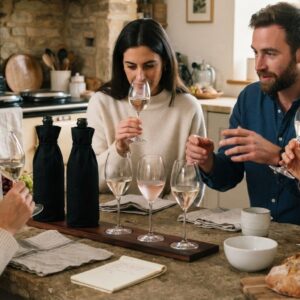
- Conceal the labels before friends arrive. Wrap bottles in plain paper or place them in numbered bags, then note the order privately for the reveal. For a first tasting, leave written descriptions aside so guests form impressions without being influenced by producer details. Part of learning HOW TO HOST A WINE TASTING PARTY AT HOME is letting the wines speak before their labels do.
- Set a steady rhythm for the flight. Present each wine every 15 to 20 minutes, allowing time to look, swirl, smell and taste. A gentle swirl of five to ten seconds helps release aromas. Keep the sequence coherent, perhaps moving from whites to reds before sparkling or dessert wines.
- Invite observations before guesses. Ask guests to describe appearance, aromas and flavour before suggesting a grape or region. Offer prompts such as fruit, flowers, herbs or spice, without implying there is one correct answer. Friends may notice different things, and comparing impressions makes the tasting enjoyable.
- Make the reveal part of the conversation. Let everyone record a favourite before unveiling each bottle. Then compare guesses with the label and discuss what surprised the group. For example, place a California wine beside one from another region, keeping the comparison focused on style rather than turning it into a quiz.
- Keep participation relaxed. Offer water and plain crackers between samples, with cheese served alongside rather than overwhelming the wines. Guests can taste, take notes or simply enjoy the discussion; no one needs to identify every grape. As you decide HOW TO HOST A WINE TASTING PARTY AT HOME, choose bottles with contrasting styles for an engaging blind flight. EXPLORE ESTATE WINES to consider options for your selection.
Quob Park Estate, Hotel & Spa
Quob Park Estate, Hotel & Spa offers ways to explore English sparkling wine beyond your own table. The Vineyard Tour & Tasting offers a guided setting to discover the wines and taste alongside others. For a home line-up, consider Quob Park Classic Cuvée, Quob Park Heritage Rosé Cuvée and Quob Park Blanc de Blancs for a themed flight. These wines can bring an English-wine focus to an evening, whether you’re comparing styles or introducing friends to sparkling wine. Choose this next step if you’d enjoy tasting with guidance rather than organising every detail yourself. Contact Quob Park Estate, Hotel & Spa to enquire about its wine experiences.
Make Your Next Tasting Your Own
For your next wine tasting party at home, choose a fresh angle for the evening. Invite guests to bring a favourite bottle, explore a grape they haven’t tasted before, or build the conversation around English sparkling wine. Quob Park Classic Cuvée, Quob Park Heritage Rosé Cuvée and Quob Park Blanc de Blancs can each start a discussion about different styles. A tasting needn’t follow a formal script; rewarding discoveries often begin with an unexpected preference or a lively exchange of impressions.
If you’d like to experience English wines in a guided setting, or explore options for your next tasting, contact Quob Park Estate, Hotel & Spa, a 180-acre estate. CONTACT QUOB PARK ESTATE, HOTEL & SPA. Bring your curiosity, choose a theme that feels personal, and make space for good conversation around the table.
Frequently Asked Questions
How Much Wine Do You Need?
Estimate the amount by multiplying the tasting pour by the number of wines and guests. A 75cl bottle provides roughly eight to ten 75ml tasting pours, so one bottle per wine may suit a smaller group, while larger gatherings need more. Allow extra if guests will also enjoy wine with food after the formal tasting.
What Even Is a Blind Wine Tasting (and Why It’s the Best Kind)?
A blind tasting means hiding the labels until guests have sampled the wines. This helps everyone notice their own preferences before a familiar name or region shapes expectations. Try it with friends who enjoy guessing grapes or origins, but keep the reveal light-hearted: the aim is discovery and conversation, not proving who can identify every bottle.
What food goes with a wine tasting?
Choose food that complements the wines without masking their character. Offer small, simple bites, then serve a more substantial dish after the flight. For example, pair a cheese selection with the wines and provide plain crackers between samples. Keep strong flavours separate until guests have finished assessing delicate aromas.
What should I use to record my wine-tasting observations?
A notebook or printed tasting sheet works well; a phone note suits guests who prefer not to write at the table. Give each wine a label such as “A” or “B”, then leave space for first impressions, a favourite detail and a personal score or ranking. Guests can compare notes after the reveal without needing specialist vocabulary.
How many wines should you serve at a home wine tasting?
Four to six wines make a practical flight for a home tasting. Choose fewer if the gathering is mainly social or includes a full meal; use the upper end when guests want to compare a grape, region or style. A focused selection gives each wine room for discussion, while too many can make distinctions harder to remember.
How much wine should you buy per guest for a tasting?
Plan one tasting pour of each wine for every guest, then calculate bottles from the group size and pour volume. A 75cl bottle yields roughly eight to ten 75ml tasting pours, so a small group may share one bottle of each selection. Buy additional bottles if you expect repeat pours or want to serve wine beyond the tasting itself.