The idea that England is a newcomer to the world of fine viticulture is perhaps the most persistent myth in the cellar. While many enthusiasts view...
The idea that England is a newcomer to the world of fine viticulture is perhaps the most persistent myth in the cellar. While many enthusiasts view our current “Golden Age” as a modern phenomenon, THE HISTORY OF ENGLISH WINEMAKING actually stretches back nearly two millennia to when Roman settlers first recognized the potential of our sun-drenched slopes. You might feel that the journey from ancient clay amphorae to today’s refined crystal flutes is a disjointed one, often lost in dry academic texts or overshadowed by the historic dominance of our continental neighbours.
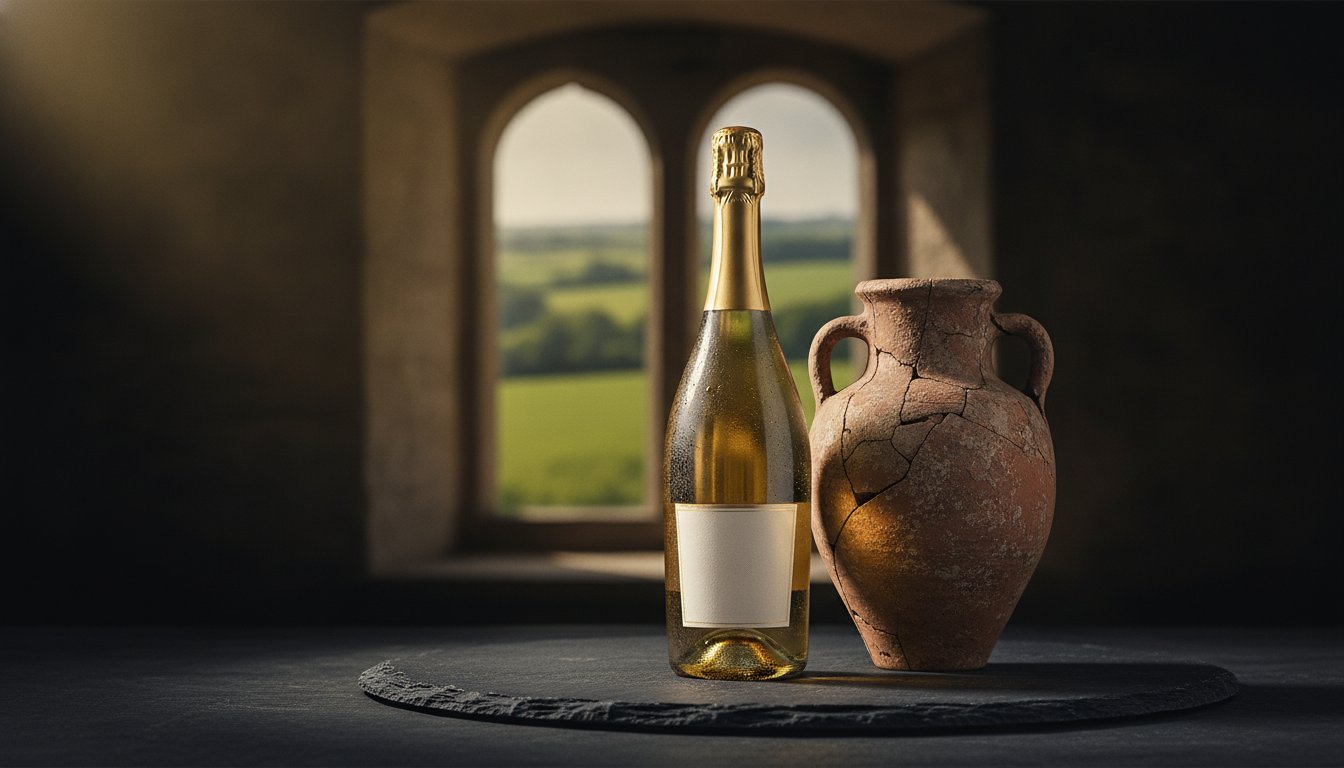
It’s understandable to feel a sense of confusion when comparing the humble table wines of the past with the world-class ENGLISH SPARKLING WINE that now rivals the finest houses of Champagne. In this article, you’ll discover the 2,000-year journey of English viticulture, tracing the path from those first Roman roots to the modern luxury defining estates like Quob Park Estate, Hotel & Spa, our own 180-acre sanctuary. We’ll explore the pivotal milestones that transformed a forgotten tradition into a £14 billion industry, ensuring that every sip of your next glass feels deeply connected to a rich, uninterrupted heritage of craftsmanship.
Key Takeaways
- Trace the origins of viticulture to the Roman arrival in 43 AD and explore how the Domesday Book documented the first flourishing era of ENGLISH WINEMAKING.
- Identify the climatic and political factors, including the Little Ice Age, that led to a centuries-long dormancy before the modern revival began.
- Explore the 1950s renaissance that saw a strategic shift toward Noble varieties like CHARDONNAY, laying the groundwork for today’s world-class ENGLISH SPARKLING WINE.
- Gain a deeper appreciation for THE HISTORY OF ENGLISH WINEMAKING by understanding the unique “Chalk Seam” terroir that connects the country’s prime winemaking soils to the prestige of Champagne.
- See how Quob Park Estate, Hotel & Spa integrates two millennia of tradition into modern luxury production across our 180-acre estate in one of the nation’s leading wine regions.
Roman Foundations and the Medieval Golden Age of ENGLISH WINEMAKING
The story of the vine in Britain is a tale of resilience and refinement. It began in earnest with the Roman invasion circa 43 AD. These early settlers didn’t just bring their legions; they brought a sophisticated culture that viewed wine as an essential component of a civilized life. Archaeological excavations across the southern counties have revealed remains of sophisticated wine presses, proving that these ancient viticulturists were far more than mere importers. They recognized the potential of our chalky soils early on, laying the initial groundwork for what would eventually become THE HISTORY OF ENGLISH WINEMAKING.
The Roman Influence on British Viticulture
For the Romans, wine was a sacred medium used in religious rites and a social lubricant for the elite. It wasn’t merely a drink; it was a symbol of status and connection to the wider empire. To ground this in a specific historical context, the Roman Emperor Probus officially granted permission for the British to possess vines and produce wine in 280 AD. This decree solidified the early foundations of ENGLISH WINEMAKING, transforming a colonial hobby into a fledgling industry that would endure for centuries.
You can find deep insights into this era through the broader HISTORY OF WINEMAKING IN THE UNITED KINGDOM, which highlights how these early foundations paved the way for the medieval prosperity that followed.
Monastic Vineyards and the Domesday Records
Following the Roman departure, the flame of viticulture was kept alive by the church. Monasteries became the guardians of the vine, as wine was required for the Holy Eucharist. These religious houses possessed the literacy to document techniques and the patience to tend the land over generations. By the time of the Norman Conquest, the industry had reached a surprising level of maturity, far removed from the rustic table wines one might expect from the Dark Ages.
The Domesday Book of 1086 serves as the first formal census of this production, meticulously recording over 40 vineyards across England. The geographical spread was impressive, reaching from the sunny slopes of Hampshire to as far north as Ely. This prolific period was aided by the Medieval Warm Period, a climatic window that allowed grapes to ripen with a consistency that mirrored the famous regions of France. Today, we see this heritage reflected in the meticulous care given to our own 180-acre estate, where we honour the same land that monks once tilled.
- Nybbeley in Gloucestershire: One of the most prominent vineyards noted in early records.
- Hampshire Estates: Historical precursors to the modern luxury vineyards found in the region today.
- The Vineyards of Westminster Abbey: A testament to the social and religious importance of ENGLISH WINE in the heart of the capital.
The Long Dormancy: Phylloxera, Politics, and the Little Ice Age
The vibrant vineyards of the medieval era eventually faced a quiet, prolonged decline. This period, often overlooked in THE HISTORY OF ENGLISH WINEMAKING, was defined by a convergence of hostile climate and shifting political alliances. As the warmth of the 11th century faded, the English landscape began to lose its viticultural identity, entering a dormancy that would last for nearly half a millennium. It’s a chapter of survival where the land waited for the right moment to flourish again.
Climatic Shifts and the Little Ice Age
Temperatures plummeted during the Little Ice Age, a period of cooling that made consistent grape ripening an impossibility. Frosts lingered deep into the spring. The delicate Vitis vinifera vines, once prolific, struggled to survive the harsh winters. Landowners naturally shifted their focus toward hardier, more reliable crops. Grain and cider orchards took over the hillsides once reserved for the grape. With this shift, centuries of accumulated viticultural wisdom simply evaporated as the practical knowledge of the vine was no longer passed down through generations.
Political Competition and the Rise of Imports
Politics played an equally decisive role in this retreat. In 1152, the marriage of Henry II to Eleanor of Aquitaine brought the vast, sun-drenched vineyards of Bordeaux under the English crown. High-quality French wine became plentiful and, crucially, duty-free. There wasn’t much incentive to battle the temperamental English weather when the refined yields of Aquitaine were so readily accessible to the aristocracy. The 1703 Methuen Treaty later cemented the dominance of imported Port, further pushing domestic production into the shadows.
By the 19th century, the arrival of the Phylloxera beetle acted as a final, crushing blow. This pest decimated European roots and effectively extinguished the few remaining artisanal plots in Britain. The two World Wars then demanded that every available acre be repurposed for essential food production. It wasn’t until the mid-20th century that the first steps toward the POST-WAR REVIVAL OF ENGLISH VITICULTURE were taken, reigniting a passion that had been cold for centuries. While the vines lay dormant, the potential of the soil remained unchanged. You can experience the triumphant return of this heritage today by exploring our ESTATE WINES, each bottle a luxury testament to the resilience of our 180-acre terroir.
The 1950s Renaissance: Modern Viticulture and the Rise of ENGLISH SPARKLING WINE
The long silence of the English vineyard was finally broken in the mid-20th century. After centuries of dormancy, a handful of visionary pioneers looked at the rolling hills of Southern England and saw more than just pasture; they saw a sleeping giant of viticulture. This era marks the most significant chapter in THE HISTORY OF ENGLISH WINEMAKING, as it transitioned from a historical curiosity into a sophisticated, world-class industry. It was a period of immense bravery, where trial and error on the land paved the way for the luxury cuvées we enjoy today.
Pioneers of the 20th Century
The catalyst for this revival was Major Guy Salisbury-Jones, who in 1952 planted the first commercial vineyard in centuries at a pioneering site in Hampshire. This location, situated not far from Quob Park Estate, Hotel & Spa’s own 180-acre estate, proved that the English climate could still support the vine. Early efforts often relied on German hybrid grapes like Müller-Thurgau, which were chosen for their ability to ripen in cooler temperatures. While these provided a foundation, the true evolution began when producers shifted their focus toward Noble varieties like CHARDONNAY and Pinot Noir. This brave transition from “hobby” farming to professional viticulture is well-documented in the HISTORY OF WINEMAKING IN THE UK, showing how these early pioneers risked everything to reclaim our heritage.
The Strategic Shift to Sparkling Wine
By the 1980s, the industry reached a profound realization. The geological “Chalk Seam” that runs through Hampshire and Sussex is identical to the soil found in the Champagne region of France. This discovery changed the trajectory of THE HISTORY OF ENGLISH WINEMAKING forever. Producers began adopting the Traditional Method, focusing on high-acid, aromatic grapes that could produce sparkling wines of immense complexity and finesse. The 1950s represented the definitive turning point for ENGLISH WINEMAKING because it transitioned the craft from a historical footnote into a viable, quality-driven commercial enterprise. Today, ENGLISH SPARKLING WINE stands as our flagship export, a symbol of prestige that rivals the most established houses in the world.
- 1952: The planting of the first modern commercial vineyard marks the start of the modern era.
- 1988: The first major plantings of CHARDONNAY and Pinot Noir specifically for sparkling wine production.
- Global Recognition: English houses began winning top international trophies, proving the world-class potential of our terroir.
Terroir and Climate: Why the UK is the New Global Frontier
The modern resurgence of the vineyard is not merely a matter of advanced technology; it is a profound reconnection with the physical land itself. While the Roman and medieval eras relied on warmer cycles, the contemporary success of THE HISTORY OF ENGLISH WINEMAKING is built upon a sophisticated understanding of our unique terroir. We have moved beyond the experimental phases of the 1950s to embrace a landscape that is now recognized as one of the most prestigious viticultural frontiers on the planet. This shift is driven by a rare geological alignment that places Southern England at the heart of the global luxury wine conversation.
The Magic of Chalk Soil
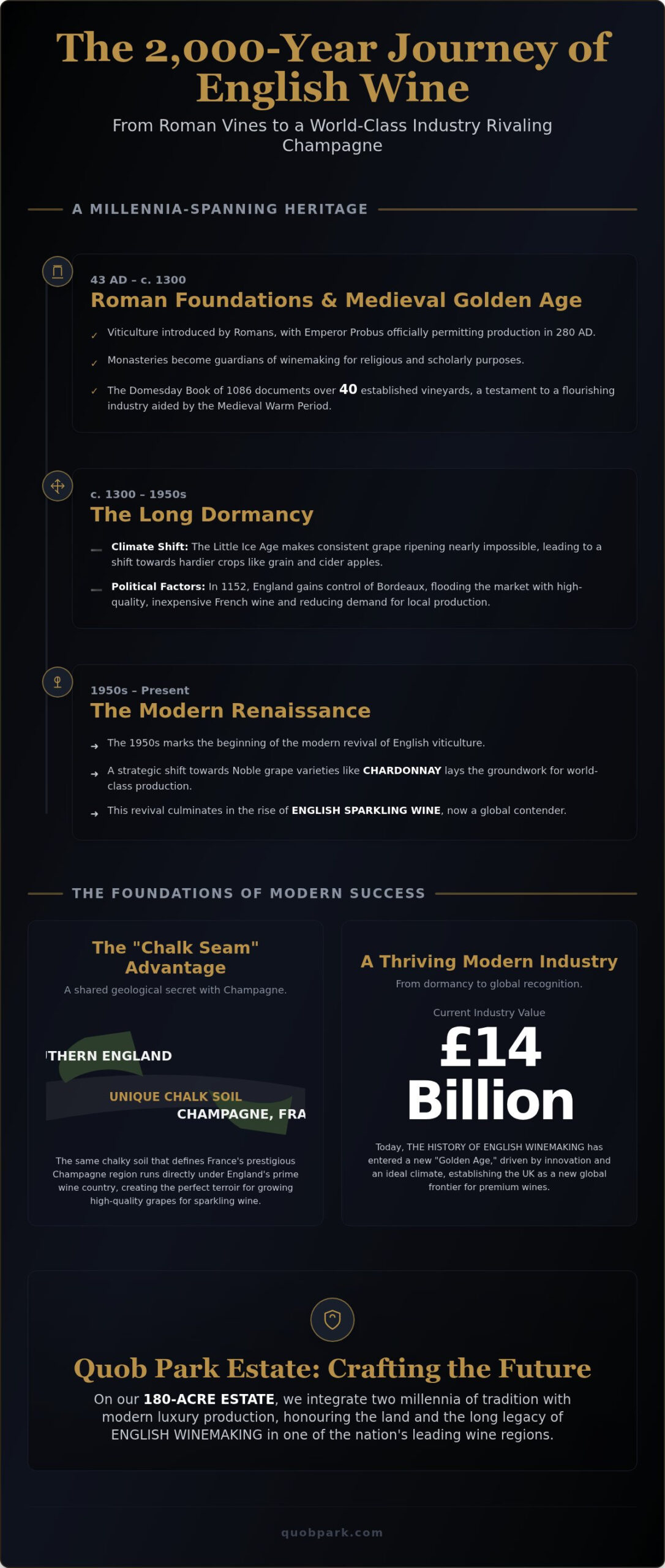
At the core of this excellence is the famous “Chalk Seam.” This prehistoric geological formation dives under the English Channel and resurfaces in the Champagne region of France, creating a direct physical link between our Hampshire soil and the world’s most celebrated sparkling wine houses. For a premium ENGLISH WINE, this chalk provides two critical benefits: exceptional drainage and natural heat retention. The porous nature of the soil ensures that vines are never waterlogged, while the white, reflective surface helps to ripen grapes in our marginal climate. This creates a distinct minerality and a crystalline purity of fruit that is difficult to replicate in warmer, more traditional European regions. Across our 180-acre estate, we see how this soil dictates the elegance and structure of every bottle we produce.
Global Recognition and Awards
The transition from a “novelty” industry to a global necessity in fine dining has been swift and decisive. In the 2020s, the perception of ENGLISH SPARKLING WINE underwent a total transformation as domestic cuvées began consistently outperforming top French houses in rigorous blind tastings. By 2026, the industry value reached approximately £14 billion, with English wineries securing all of the top 30 spots in prestigious rankings like The Real Review’s “Top Wineries of Great Britain.” This success is not just about the numbers; it reflects a shift in the global palate. Discerning connoisseurs now seek the vibrant acidity and aromatic complexity that only a cooler, marginal climate can provide. This prestige has birthed a new era of luxury wine tourism, where the estate experience is as refined as the wine itself. You can immerse yourself in this world-class heritage by securing your place at our 180-acre sanctuary for one of our PREMIUM ESTATE WINE TASTINGS, where the future of British luxury is poured into every glass.
This evolution has turned the rolling hills of the South into a destination for more than just the connoisseur. The infrastructure of the modern vineyard now includes gourmet tasting menus and exclusive retreats, positioning the English countryside as a rival to any historic European valley. Whether you are visiting for a private celebration or a professional investment, the connection between the ancient soil and modern luxury is palpable.
Quob Park Estate: Crafting the Future of ENGLISH WINE on our 180-Acre Estate
Quob Park Estate stands as the living culmination of the 2,000-year narrative we’ve explored. While the Roman settlers and medieval monks laid the groundwork, our 180-acre estate in the heart of Hampshire represents the pinnacle of the modern renaissance. We don’t just produce wine; we curate a legacy that respects the ancient soil while utilizing the most sophisticated traditional methods available today. This commitment ensures that THE HISTORY OF ENGLISH WINEMAKING continues to evolve with a focus on uncompromising quality and artisanal identity.
A Legacy of Excellence at Quob Park
Our philosophy is rooted in the belief that great wine is made in the vineyard. Across our 180-acre estate, every vine is tended with a precision that reflects our unhurried, indulgent pace. This dedication is most evident in our flagship Quob Park Classic Cuvée, a wine that has become a benchmark for modern excellence. By focusing exclusively on the traditional method, we allow the natural minerality of our chalky terroir to shine through in every glass. Whether it’s the crisp elegance of our Quob Park Blanc de Blancs or the rich complexity of our cuvées, each bottle is a sensory journey through time and place.
Experience the Heritage First-Hand
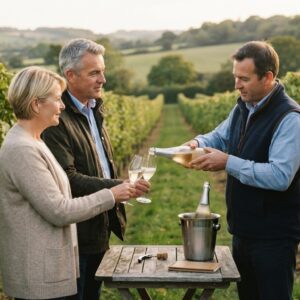
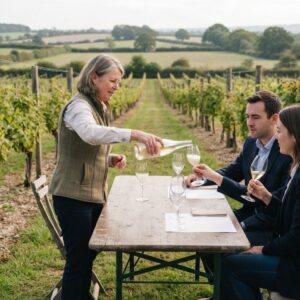
We believe that the best way to understand the depth of our craft is to step onto the land itself. We invite you to connect the past to the present with a VINEYARD TOUR & TASTING, where you can walk the rows of vines and witness the passion that goes into every bottle. For those who wish to deepen their connection to our heritage, the QUOB PARK WINE CLUB MEMBERSHIP offers an exclusive community of like-minded connoisseurs. It’s more than just a subscription; it’s an invitation to join an exclusive social circle dedicated to the finer things in life. Join us as we write the next chapter of ENGLISH WINEMAKING, ensuring that the prestige of our 180-acre estate remains a beacon of luxury for generations to come.
Savoring the Future of British Viticulture
The journey from ancient Roman outposts to the contemporary global stage is more than just a timeline; it’s a testament to the enduring potential of our unique landscape. The narrative of THE HISTORY OF ENGLISH WINEMAKING has moved beyond mere survival to reach a state of modern luxury, defined by precision and prestige. This legacy is preserved today through the meticulous craftsmanship found on our 180-acre Hampshire estate, where the unique chalk terroir continues to yield results that challenge the finest houses in Europe.
Whether you’re exploring the nuances of our award-winning Classic Cuvée or immersing yourself in the tranquil beauty of our land through a bespoke VINEYARD TOUR & TASTING, you’re becoming part of a story two millennia in the making. We invite you to experience this extraordinary heritage and discover why the English vineyard has entered its most exciting era yet. Every bottle is an invitation to taste the culmination of centuries of passion and expertise.
Frequently Asked Questions
When did winemaking first start in England?
Winemaking in England officially began with the Roman invasion circa 43 AD. These early settlers recognized the potential of the southern landscape, establishing a viticultural tradition that defines THE HISTORY OF ENGLISH WINEMAKING today. While the industry faced a long dormancy during the Little Ice Age, those ancient Roman roots provided the spiritual and physical foundation for the world-class production we see across modern Hampshire estates.
Is English wine actually better than Champagne?
Quality is subjective, but English sparkling wine now consistently rivals Champagne in prestigious international competitions. In a 2026 tasting by The Real Review, English wineries claimed all top 30 spots in the Great Britain rankings. Our marginal climate produces a vibrant acidity and aromatic purity that many connoisseurs now prefer over traditional French houses. It’s a definitive shift from novelty to a global benchmark of luxury.
Why is Hampshire so important for ENGLISH WINEMAKING?
Hampshire is the heart of the industry due to the geological “Chalk Seam” it shares with the Champagne region. This rare soil provides the perfect drainage and minerality required for premium viticulture. On our 180-acre estate, we utilize this prehistoric foundation to craft cuvées with a distinct crystalline character. This specific terroir is why the region is now considered the premier frontier for THE HISTORY OF ENGLISH WINEMAKING.
What grapes are traditionally used in ENGLISH SPARKLING WINE?
Modern producers primarily use the three “Noble” varieties: CHARDONNAY, Pinot Noir, and Pinot Meunier. These grapes are essential for creating the complex profiles found in traditional method ENGLISH SPARKLING WINE. While early 20th-century pioneers experimented with German hybrids, the industry’s rise to global prestige was built on these classic varieties. They thrive in our cool climate, offering the perfect balance of sugar and high natural acidity.
How much has climate change affected the history of English wine?
Climate has always dictated the success of the English vine, from the Medieval Warm Period to the modern era. The 2025 harvest was described as a “mast year” due to exceptional heat in June and July, leading to record yields of 124,377 hectolitres. While the Little Ice Age once halted production, current warming trends allow us to ripen Noble grapes with a consistency that was historically impossible in the UK.
Can I visit historical vineyards in the UK today?
You can certainly visit modern estates that sit on historically significant land. While few vines survive from the medieval era, the terroir remains unchanged. We invite guests to experience this heritage through a VINEYARD TOUR & TASTING on our 180-acre Hampshire estate. It’s an opportunity to see how ancient soil and modern technology combine to create the next chapter of British luxury within a tranquil, professional setting.
What is the difference between ENGLISH WINE and British wine?
The distinction is critical: ENGLISH WINE is produced from grapes grown entirely within England, whereas British wine is often made from imported grape concentrate. This legal definition protects the artisanal identity of our domestic industry. When you choose a bottle from a reputable estate, you’re supporting a product of genuine origin. This ensures the integrity of the craftsmanship and the unique expression of our local, sun-drenched terroir.
How do modern estates like Quob Park maintain historical quality?
Estates like Quob Park maintain quality by strictly adhering to the traditional method of production. We treat our 180-acre estate as a singular ecosystem, focusing on low yields and hand-harvesting to ensure only the finest fruit reaches the press. This meticulous approach, combined with a deep respect for our Roman and medieval predecessors, allows us to craft masterpieces like the Quob Park Classic Cuvée that reflect our commitment to excellence.